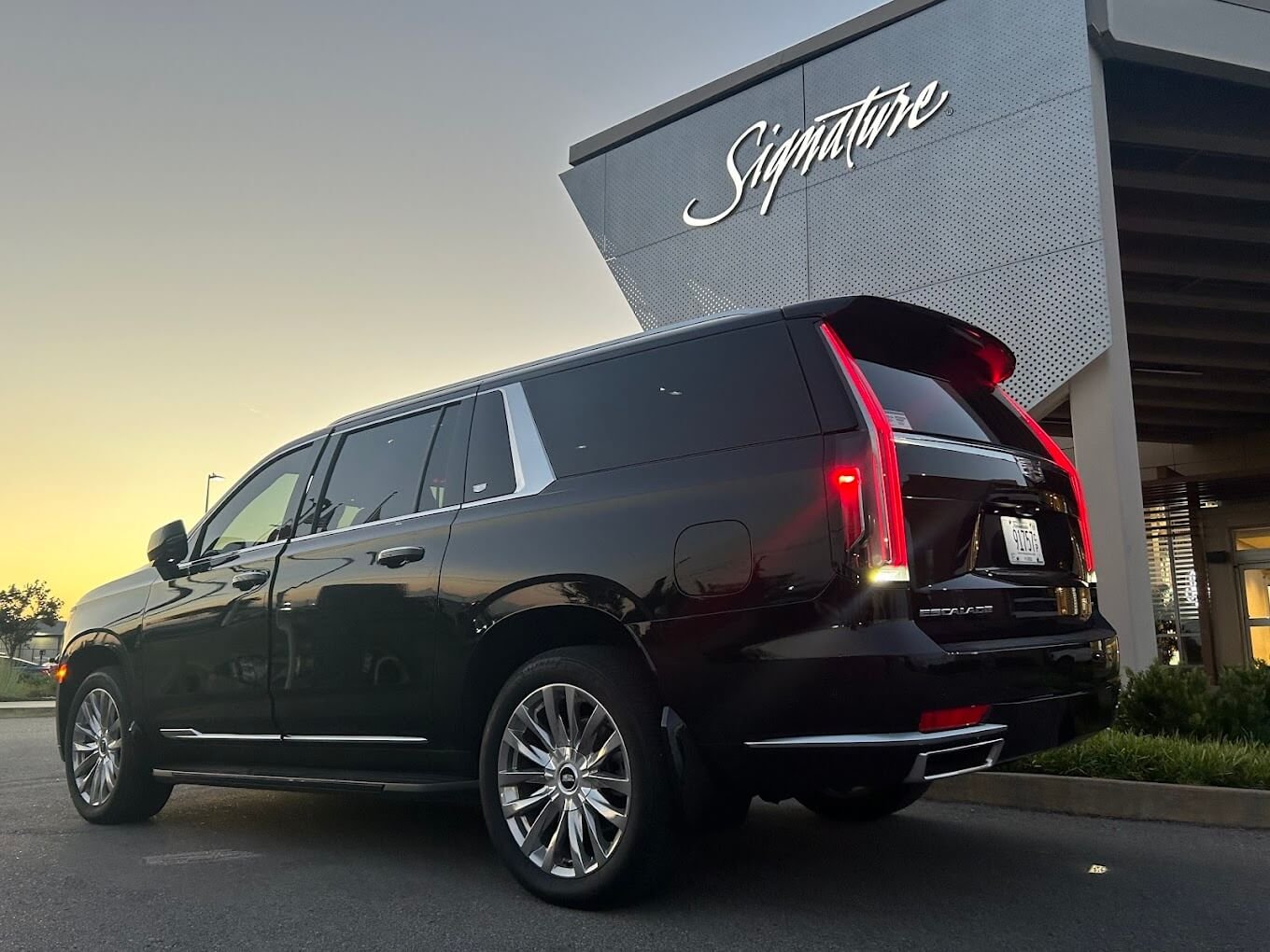
Nashville, the heart of country music, is also a city that knows how to celebrate in style. And what better way to elevate any occasion than with a luxurious limousine from Nashville Airport Limos? Whether you’re heading to a wedding, prom night, corporate event, or just a night out in Music City, our fleet of premium vehicles – from sleek sedans and spacious SUVs to party-ready buses and elegant stretch limos – promises to deliver you in comfort and sophistication. But amidst the plush interiors and smooth rides, a crucial question often arises:
Do limos have seat belts?
It’s a query that blends common sense with a touch of mystery. After all, limousines are synonymous with luxury and relaxation, sometimes conjuring images of passengers lounging freely in the back. However, as a transportation expert with years of experience navigating the roads of Nashville and beyond, I can tell you that safety is paramount, even in the most opulent of rides. In today’s world, where passenger safety is increasingly prioritized, the answer to the seat belt question is more nuanced than a simple yes or no.
At Nashville Airport Limos, we believe in transparency and ensuring our clients are not only riding in luxury but also with the utmost safety. This blog post will serve as your comprehensive guide to understanding seat belts in limousines. We’ll explore the facts, dispel common myths, delve into regulations, and highlight why choosing a responsible limo service like ours is crucial for your peace of mind and safety on the road. Buckle up as we uncover the truth about limo seat belts and passenger safety in the world of luxury transportation.
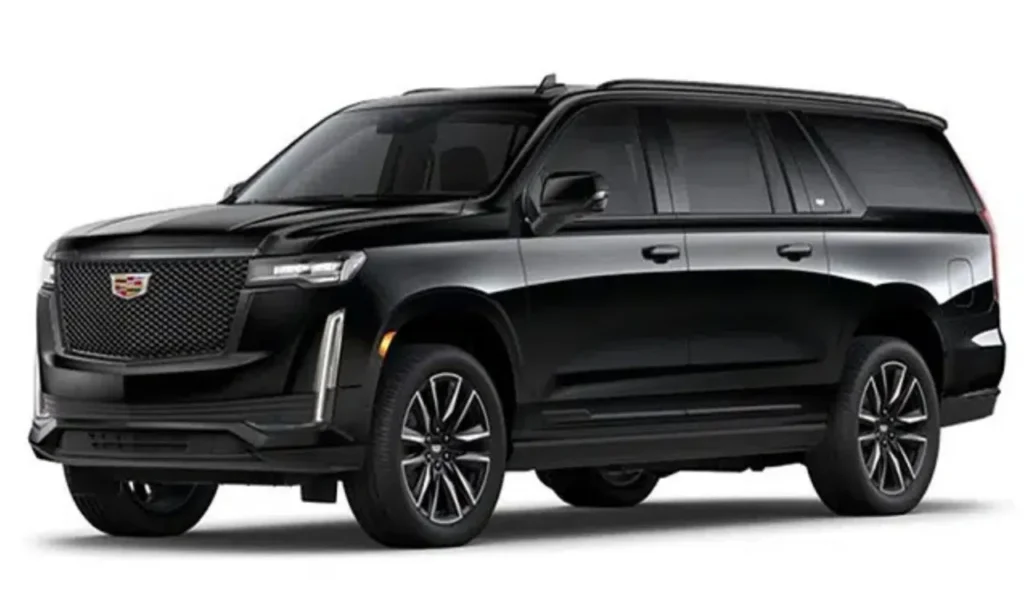
Introduction to Limousines and their Safety
Limousines, with their extended frames and lavish interiors, represent more than just a mode of transport; they embody an experience. Synonymous with special occasions, corporate prestige, and unforgettable celebrations, limos have carved a unique niche in the transportation industry. From the classic stretch limo, perfect for weddings and proms, to the versatile Sprinter limos and shuttle buses ideal for group outings, the variety is as diverse as the events they serve. Nashville Airport Limos prides itself on offering a comprehensive fleet that caters to every need, ensuring that whether you require a sophisticated sedan for airport transfers or a vibrant party bus for a night on the town, we have the perfect vehicle for you.
However, beyond the glamour and comfort, the fundamental aspect of any transportation service is safety. For limousine services, this responsibility is amplified due to the nature of their use – often carrying groups of passengers in vehicles that differ significantly from standard cars. Safety in limousines is a multifaceted concept, encompassing vehicle maintenance, chauffeur expertise, and adherence to safety regulations, including the provision and use of seat belts. Understanding the safety features of a limousine, particularly seat belts, is not just about legal compliance; it’s about ensuring the well-being of every passenger who entrusts their journey to a limo service. As your trusted transportation provider in Nashville, we at Nashville Airport Limos are committed to upholding the highest safety standards, making your journey with us both luxurious and secure.
The Basics of Seat Belts in Limousines
When it comes to seat belts in limousines, the landscape is more intricate than it might seem at first glance. The fundamental principle of seat belts remains consistent across all vehicle types: to restrain occupants in the event of a sudden stop or collision, thereby significantly reducing the risk of serious injury. However, the application of this principle in limousines, particularly stretch limousines, presents unique considerations due to their modified structure and intended use.
In standard sedans and SUVs, seat belts are mandatory and their placement is straightforward, designed for individual seating positions. Limousines, especially stretch versions, often feature perimeter seating arrangements in the passenger cabin, which can deviate from the forward-facing rows of a typical car. This difference in seating configuration has historically led to variations in seat belt installation and availability. Early limousine designs sometimes prioritized passenger space and comfort over the integration of seat belts, especially in the rear passenger areas. This was partly due to the perception of limousines being used in low-risk, celebratory contexts, and partly due to the complexities of retrofitting seat belts into vehicles not originally designed for them.
However, modern limousine manufacturing and safety standards have evolved considerably. Today, most newly manufactured limousines, including many stretch models, are equipped with seat belts for each designated seating position. These are typically lap belts or lap-shoulder belts, similar to those found in other passenger vehicles, and are designed to meet federal and state safety regulations. The placement and type of seat belts can vary depending on the limousine type and seating layout, but the underlying principle of passenger restraint remains the same. For example, forward-facing seats in limousines will generally have lap-shoulder belts, while side-facing seats might have lap belts. It’s crucial to understand that the presence and type of seat belts in a limousine can depend on factors such as the vehicle’s age, the manufacturer, and the specific regulations in place at the time of manufacture and registration.

Why Do Some People Think Limos Don’t Have Seat Belts?
The misconception that limousines might not have seat belts is surprisingly common, and it stems from a blend of historical factors, visual perceptions, and perhaps a touch of wishful thinking. For many, limousines are associated with a sense of freedom and luxury, a space where the usual rules might seem to bend, including the mundane necessity of seat belts. This perception is further fueled by several factors.
Historically, older limousine models, especially those converted before modern safety standards were rigorously enforced, sometimes lacked seat belts, particularly in the rear passenger compartment. This was often due to the design priorities of the time, which emphasized passenger space and comfort over comprehensive safety features. Images and portrayals of limousines in popular culture often reinforce this idea, frequently depicting passengers moving freely within the cabin, socializing, and enjoying amenities, with little visual emphasis on seat belt use. This media representation, while not always accurate, contributes to the general public’s perception of limousines as being outside the typical safety norms of everyday vehicles.
Furthermore, the unique seating arrangements in stretch limousines, with perimeter seating that encourages social interaction, can visually obscure the presence of seat belts. Unlike standard car seats that are clearly defined and equipped with visible seat belts, the bench-style or lounge-style seating in limos might make it less immediately apparent that seat belts are available. Passengers entering a limousine for the first time, focused on the novelty and luxury of the experience, might simply overlook the seat belts or assume they are not a standard feature. Adding to this, the celebratory atmosphere often associated with limo rides – parties, weddings, special events – can further diminish the perceived need for safety precautions like seat belts in the minds of some passengers. It’s a blend of historical context, visual impressions, and the unique ambiance of limousine travel that collectively contributes to the enduring myth about limos and seat belts.
Ensuring Safety in a Limousine
Ensuring safety in a limousine, much like in any vehicle, is a shared responsibility, involving both the service provider and the passengers. For a reputable limousine service like Nashville Airport Limos, safety is not an afterthought but a foundational principle integrated into every aspect of our operation. This commitment begins with maintaining a modern and well-serviced fleet. Regular and rigorous vehicle inspections are crucial, ensuring that all safety systems, including brakes, tires, lights, and, of course, seat belts, are in optimal working condition. Our vehicles undergo routine maintenance checks performed by certified technicians, adhering to stringent schedules that often exceed standard requirements.
Beyond vehicle maintenance, the professionalism and training of chauffeurs are paramount. Our chauffeurs are not just drivers; they are highly trained professionals adept at defensive driving techniques and passenger safety protocols. They undergo thorough background checks and continuous training programs that cover safe driving practices, emergency procedures, and customer service excellence. Chauffeurs are instructed to conduct pre-trip vehicle checks, ensure passenger comfort and safety, and handle various road conditions and traffic situations with expertise and caution. Moreover, they are trained to politely and professionally encourage seat belt use among all passengers, understanding their role in promoting a safe environment within the limousine.
From the passenger perspective, actively participating in safety measures is equally important. This primarily involves utilizing the available seat belts correctly throughout the journey. Passengers should familiarize themselves with the location and operation of seat belts in the limousine and make it a habit to buckle up as soon as they are seated and remain buckled until the journey’s end. For group bookings, especially in party buses or stretch limos, it’s beneficial for organizers to emphasize seat belt usage to their guests. By combining the diligent safety practices of the limousine service with the responsible behavior of passengers, we can collectively ensure that every ride with Nashville Airport Limos is not only luxurious and enjoyable but, above all, safe.
Do Stretch Limos Have Seat Belts?
The question of whether stretch limos have seat belts is a critical one, given their popularity for celebratory events and group transportation. The short answer is: yes, most modern stretch limousines are equipped with seat belts. However, the specifics can vary depending on the age and type of the vehicle, as well as the regulations in place at the time of manufacture. Understanding these nuances is key to ensuring passenger safety.
Stretch limousines, by their very nature, are modified vehicles, extended from their original factory design. This modification process introduces complexities when it comes to safety features, including seat belts. In contemporary stretch limo manufacturing, reputable converters prioritize safety and incorporate seat belts that meet or exceed safety standards. These are typically installed at each designated seating position, whether it’s the forward-facing, rear-facing, or side-facing seats common in stretch limo layouts. The type of seat belts may vary, with lap belts being more common for side-facing seats and lap-shoulder belts for forward-facing positions, mirroring safety standards in other passenger vehicles.
However, it’s important to acknowledge that older stretch limousines, particularly those converted before stricter regulations were universally adopted, might have fewer or no seat belts in the rear passenger area. This is less common in newer fleets but could still be a factor in older or less regulated services. Furthermore, the configuration of seating in stretch limos can sometimes make seat belt use less intuitive or comfortable for passengers, especially in side-facing seats. Despite these challenges, the trend in the limousine industry is unequivocally towards enhanced safety, with seat belt installation being a standard practice in modern stretch limousine production. For services like Nashville Airport Limos, which prioritize passenger well-being, ensuring that stretch limos are equipped with functional seat belts is a fundamental aspect of our commitment to safety. When booking a stretch limo, it’s always wise to confirm with the service provider about the availability and proper use of seat belts to ensure a safe and enjoyable ride.
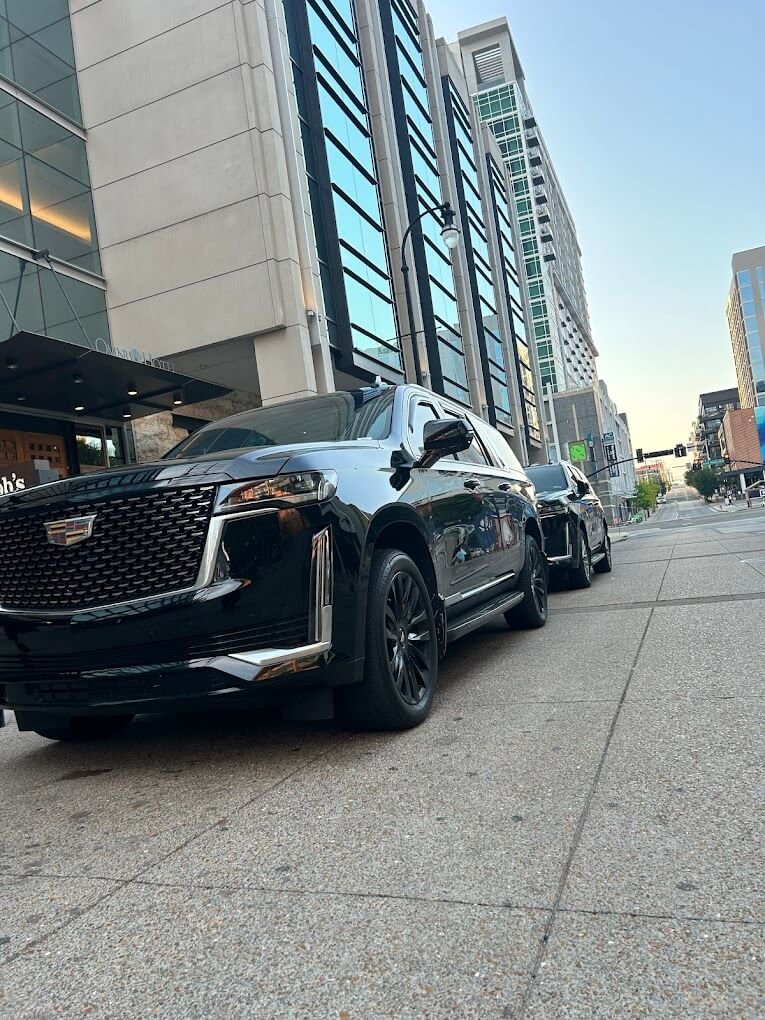
Do All Stretch Limos Have Seat Belts?
While the general answer to whether stretch limos have seat belts is increasingly “yes,” it’s crucial to understand that not all stretch limousines are universally equipped with seat belts in every seating position, especially in older models. The variability stems from a combination of factors, including the age of the vehicle, the standards in place at the time of conversion, and the specific regulations of the region or country where the limo is registered.
Modern, professionally converted stretch limousines are typically designed and manufactured to include seat belts that comply with current safety regulations. Reputable converters understand the importance of passenger safety and integrate seat belts as a standard feature. However, the limousine industry has a history of conversions performed under varying standards, and older vehicles may reflect less stringent safety practices. Stretch limos converted many years ago, or those from less regulated markets, might have fewer seat belts, or seat belts that do not meet contemporary safety standards. This is particularly true for side-facing bench seats, where lap belts might be present, but not always in every position, and lap-shoulder belts are less common.
Moreover, the definition of a “seat” and therefore the requirement for a seat belt can sometimes be interpreted differently, especially in the context of perimeter seating in stretch limos. While forward-facing seats are almost always equipped with seat belts, the side-facing bench seats, designed for social interaction, might have been considered less critical for seat belt installation in older designs. Regulatory differences also play a role. Safety regulations for limousines can vary between federal and state levels in the United States, and internationally, there is even greater diversity in vehicle safety standards. This means that a stretch limo compliant in one jurisdiction might not meet the standards of another. Therefore, while the trend is towards universal seat belt installation in stretch limos, especially with newer fleets, it’s not safe to assume that all stretch limos, particularly older ones, will have seat belts in every seating position. Always verifying with the limo service about seat belt availability and usage is the prudent approach to ensure safety.
The Importance of Seat Belts in Limousines
Safety First: The Role of Seat Belts
In the realm of transportation safety, seat belts stand as a cornerstone, a simple yet profoundly effective mechanism designed to protect vehicle occupants. Their importance in limousines is no less significant than in any other passenger vehicle, despite the unique ambiance and usage of these luxury liners. The primary role of a seat belt is to restrain a passenger during sudden stops or collisions. In such events, the laws of physics dictate that unrestrained occupants will continue to move forward at the vehicle’s original speed until they collide with the vehicle’s interior, other passengers, or are ejected from the vehicle. Seat belts counteract this inertia, keeping passengers securely in their seats.
By distributing the forces of a collision across the stronger parts of the body – the chest, hips, and shoulders – seat belts significantly reduce the risk of serious injuries. They prevent occupants from being thrown against hard surfaces within the vehicle, such as the dashboard, steering wheel, or windshield, and dramatically decrease the likelihood of ejection from the vehicle, which is often a cause of fatal injuries in accidents. In limousines, which can carry a larger number of passengers, the importance of seat belts is amplified. An unrestrained passenger not only risks their own safety but also poses a danger to others in the vehicle, potentially becoming a projectile in a crash.
Furthermore, the design of limousines, particularly stretch models with their extended length and modified structure, does not inherently diminish the need for seat belts. While limousines are often perceived as being driven at lower speeds or in less risky environments, accidents can happen anywhere, anytime. The added weight and length of a limousine can even affect its handling and braking characteristics, making seat belt use even more critical. For Nashville Airport Limos, prioritizing seat belt availability and usage is a fundamental aspect of our safety commitment. We understand that luxury and safety are not mutually exclusive but rather complementary aspects of a premium transportation experience. Ensuring that every passenger is encouraged and able to use a seat belt is a testament to our dedication to their well-being and peace of mind.
Benefits of Wearing Seat Belts in a Limo
Choosing to wear a seat belt in a limousine, just as in any other vehicle, unlocks a multitude of safety benefits that significantly enhance passenger well-being and reduce the potential for harm in unforeseen circumstances. These advantages are not merely theoretical; they are grounded in decades of research and real-world accident analysis, consistently demonstrating the life-saving effectiveness of seat belts.
Firstly, and most critically, seat belts dramatically reduce the risk of fatal injuries in a crash. Studies have repeatedly shown that wearing a seat belt can decrease the risk of death for front-seat occupants by up to 50% and for rear-seat occupants by up to 25%. In a limousine, where passengers might be socializing and less focused on typical driving hazards, this protection is invaluable. Secondly, seat belts prevent ejection from the vehicle. Ejection is a major cause of death and serious injury in accidents. By keeping passengers inside the protective shell of the limousine, seat belts significantly lower the chance of being thrown out, especially in rollover accidents, which, while rare, can be particularly dangerous in larger vehicles.
Thirdly, seat belts minimize contact with hard interior surfaces. In a collision, unrestrained passengers can be thrown against the dashboard, windshield, seats, or other occupants, leading to head trauma, broken bones, and internal injuries. Seat belts cushion and distribute the impact forces, preventing these harmful collisions. Fourthly, seat belts improve vehicle control after a sudden maneuver. Whether it’s an emergency braking situation or an evasive steering action, seat belts keep the driver and passengers securely in their seats, allowing the driver to maintain better control of the vehicle and reducing the risk of losing control due to occupant movement.
Lastly, wearing a seat belt sets a positive example and promotes a culture of safety. In group settings, such as those common in limousines, one person’s decision to buckle up can encourage others to do the same, fostering a collective environment of safety consciousness. For Nashville Airport Limos, promoting seat belt use is not just about legal compliance; it’s about creating a culture where safety is valued and practiced by everyone, ensuring that every journey is as safe as it is luxurious. By buckling up, passengers actively participate in their own safety and contribute to a safer environment for all occupants of the limousine.
Common Misconceptions About Seat Belts in Limousines
Despite the clear safety benefits and increasing prevalence of seat belts in limousines, some misconceptions persist.
- “Limo rides are always slow and safe, so seat belts aren’t really needed.” While limos often operate in celebratory or controlled environments, accidents can occur at any speed and in any vehicle. Seat belts are crucial even in low-speed incidents to prevent injuries from sudden stops or minor collisions.
- “Stretch limos are so big and heavy, they are inherently safer without seat belts.” The size and weight of a limo do not negate the laws of physics. In a crash, inertia affects all vehicles, and unrestrained occupants in a larger vehicle are still at significant risk of injury. Seat belts are essential regardless of vehicle size.
Seat Belt Regulations for Limousines: Understanding the Law
The legal landscape surrounding seat belt regulations for limousines is a complex interplay of federal and state laws, often leading to variations in requirements and enforcement. Understanding these regulations is crucial for both limousine operators and passengers to ensure compliance and, most importantly, safety.
At the federal level in the United States, the National Highway Traffic Safety Administration (NHTSA) sets Federal Motor Vehicle Safety Standards (FMVSS). These standards dictate safety requirements for vehicle manufacturers, including specifications for seat belts. However, the application of these standards to limousines, particularly stretch limousines, has historically been less straightforward than for standard passenger cars. NHTSA standards generally require seat belts in all designated seating positions in vehicles up to a certain weight and passenger capacity. For limousines, especially those significantly modified post-manufacture, the categorization and application of these federal standards can be nuanced. Historically, some stretch limousines were classified in ways that exempted them from certain seat belt requirements applicable to standard passenger vehicles.
State regulations further complicate the picture. While federal standards set a baseline, individual states have the authority to enact their own, often more stringent, seat belt laws. These state laws can cover various aspects, including:
- Mandatory seat belt use: Most states have primary seat belt laws, meaning law enforcement can stop and ticket drivers and passengers solely for not wearing seat belts. Some states have secondary laws, where seat belt violations can only be enforced if there’s another primary offense.
- Coverage of vehicle types: State laws vary in how they specifically address limousines. Some states explicitly include limousines under their seat belt laws, while others may have less clear or outdated language.
- Rear seat passengers: Regulations regarding rear seat passengers wearing seat belts have evolved over time. Many states have now extended mandatory seat belt laws to rear seat occupants, which is particularly relevant for limousines where rear seating is the primary passenger area.
- Penalties for non-compliance: State laws also specify penalties for seat belt violations, which can range from fines to points on driving records. For limousine operators, non-compliance can also lead to operational penalties and liability issues.
The interplay between federal and state regulations means that limousine services must navigate a patchwork of legal requirements. In Nashville, Tennessee, and across the United States, the trend is towards stricter enforcement of seat belt laws in all types of vehicles, including limousines. For Nashville Airport Limos, staying abreast of and strictly adhering to all applicable federal and Tennessee state seat belt regulations is a non-negotiable aspect of our operational commitment to safety and legal compliance.
Federal vs. State Regulations
The relationship between federal and state regulations concerning seat belts in limousines is a layered one, with federal standards setting a minimum baseline and state laws often adding layers of specificity and enforcement. Understanding this dynamic is essential for both limousine operators and passengers to navigate the legal and safety landscape effectively.
Federal Regulations (NHTSA Standards): The National Highway Traffic Safety Administration (NHTSA) establishes Federal Motor Vehicle Safety Standards (FMVSS) that are binding on vehicle manufacturers. These standards include requirements for seat belt installation and performance in new vehicles. However, the application of FMVSS to limousines, especially stretch limousines, has been a subject of interpretation. Historically, due to the modified nature of stretch limos and their classification, some argued they were not always fully subject to all FMVSS requirements in the same way as standard passenger cars. This has led to variations in seat belt provisions, particularly in older vehicles. NHTSA has been increasingly focused on closing these regulatory gaps and enhancing safety standards for all vehicle types, including limousines.
State Regulations (Seat Belt Laws): While federal standards govern vehicle manufacturing, state laws primarily regulate vehicle operation and usage, including seat belt usage. States have the authority to enact and enforce their own seat belt laws, which can be more stringent than federal guidelines. Key aspects of state seat belt laws relevant to limousines include:
- Primary vs. Secondary Enforcement: Most states have primary seat belt laws, allowing police to stop vehicles solely for seat belt violations. This is crucial for enforcement and passenger compliance in limousines.
- Rear Seat Passenger Laws: Many states have extended seat belt laws to cover rear seat passengers, directly impacting limousine occupants. This trend reflects a growing recognition of the importance of rear seat safety.
- Specific Limo Regulations: Some states have begun to specifically address limousines in their transportation regulations, clarifying seat belt requirements and operational standards for these vehicles.
- Commercial Vehicle Regulations: Limousine services, as commercial passenger carriers, are also subject to state-level commercial vehicle regulations, which may include additional safety requirements and oversight.
Interaction and Compliance: Limousine operators must comply with both federal and state regulations. Federal standards influence vehicle manufacturing and safety equipment, while state laws govern how these vehicles are operated and how seat belts are used. In cases where state laws are stricter than federal guidelines, state laws take precedence. For Nashville Airport Limos, this means adhering to both NHTSA guidelines for vehicle safety features and Tennessee state laws regarding seat belt use. This dual compliance framework ensures that our services meet the highest safety and legal standards, providing passengers with secure and lawful transportation. Staying informed about the evolving regulatory landscape at both federal and state levels is an ongoing commitment for responsible limousine services.
How Regulations Affect Limo Companies
Seat belt regulations have a profound impact on limousine companies, influencing various aspects of their operations, from vehicle selection and maintenance to chauffeur training and customer interactions. For businesses like Nashville Airport Limos, navigating and adhering to these regulations is not just a matter of legal compliance but a core component of responsible and safe service provision.
Vehicle Compliance and Fleet Management: Regulations dictate the types of seat belts required in limousines, their placement, and performance standards. Limo companies must ensure that their fleets, especially newer vehicles, are equipped with compliant seat belts in all designated seating positions. For older vehicles, companies may face decisions regarding retrofitting seat belts to meet current standards or phasing out non-compliant vehicles. This necessitates careful fleet management and investment in vehicles that meet or exceed regulatory requirements. Regular inspections and maintenance are also crucial to ensure seat belts remain in good working order and continue to comply with safety standards.
Operational Procedures and Chauffeur Training: Regulations often mandate or strongly encourage seat belt use by all limousine occupants. Limo companies must develop operational procedures that promote seat belt usage. This includes training chauffeurs to:
- Conduct pre-trip checks to ensure seat belts are functional.
- Inform passengers about the availability and importance of seat belts.
- Politely encourage and, where required by law, ensure passengers buckle up before commencing the journey.
- Understand and adhere to state and local seat belt laws.
Chauffeur training programs must incorporate comprehensive modules on passenger safety, including seat belt protocols, emergency procedures, and responsible driving practices.
Liability and Insurance Implications: Non-compliance with seat belt regulations can have significant liability and insurance implications for limo companies. In the event of an accident, if it’s found that a limousine was not equipped with required seat belts or that seat belt usage was not properly encouraged or enforced, the company could face increased liability for injuries and damages. Insurance providers also consider regulatory compliance when determining premiums and coverage. Companies that demonstrably prioritize safety and regulatory adherence, including seat belt policies, may benefit from better insurance rates and reduced risk exposure.
Customer Perception and Service Reputation: In an increasingly safety-conscious market, adherence to seat belt regulations and a strong safety culture can enhance a limo company’s reputation and customer appeal. Passengers are more likely to choose services that prioritize their safety and well-being. Nashville , by emphasizing our commitment to safety and compliance with all applicable regulations, aims to build trust and confidence with our clients, positioning ourselves as a responsible and reliable luxury transportation provider in Nashville. Transparent communication about our safety practices, including seat belt policies, is a key aspect of building and maintaining customer trust and loyalty.
Common Myths About Limousines and Seat Belts
Despite the growing emphasis on safety and regulations, several myths about limousines and seat belts persist, often leading to misconceptions about passenger safety in these vehicles. Debunking these myths is crucial for promoting informed decisions and responsible behavior when using limousine services.
-
Myth 1: “Limousines are so luxurious and spacious, they are inherently safer than regular cars, making seat belts less necessary.” Reality: Luxury and spaciousness do not equate to inherent safety. In fact, the added length and weight of limousines can alter their handling dynamics. In a collision, the laws of physics apply equally to all vehicles, regardless of their luxury features. Unrestrained passengers in a limousine are just as vulnerable to injury as those in any other vehicle. Seat belts are essential to mitigate the forces of a crash, regardless of the vehicle’s opulence or size.
-
Myth 2: “Seat belts are only for the driver and front passenger in a limo; rear passengers are in a ‘party zone’ and don’t need them.” Reality: Safety is paramount for all occupants of a vehicle, including those in the rear of a limousine. Rear seat passengers are just as susceptible to injuries in accidents. Many jurisdictions now mandate seat belt use for all passengers, front and rear. Treating the rear of a limo as a “party zone” where safety is secondary is a dangerous misconception. Responsible limousine services prioritize the safety of every passenger, regardless of seating position or the celebratory nature of the occasion.
-
Myth 3: “In a limousine, you’re paying for luxury and comfort, not safety; asking about seat belts is uncool or ruins the vibe.” Reality: Luxury and safety are not mutually exclusive; in fact, they should be complementary aspects of a premium transportation service. A responsible limo service understands that true luxury includes passenger well-being and peace of mind. Asking about seat belts is not only “cool” but also responsible and informed. It demonstrates a proactive approach to safety and reinforces the importance of passenger protection. Reputable services like Nashville Airport Limos welcome such inquiries and are transparent about their safety features and protocols.
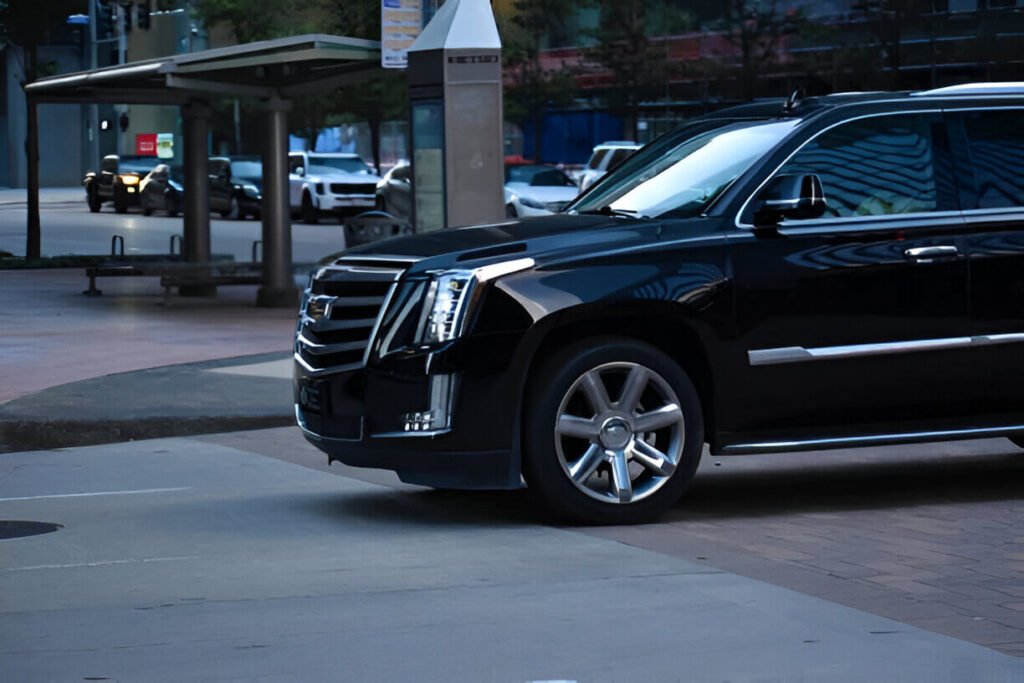
Types of Limousines and Their Seat Belt Features
The world of limousines is diverse, encompassing various types and styles, each with its unique characteristics and seating configurations. Understanding the typical seat belt features of different limousine types can help passengers make informed choices and ensure their safety. Nashville Airport Limos offers a comprehensive fleet, and here’s a look at the seat belt features you can expect in each category:
-
Standard Limousines (Sedans & SUVs): These are often luxury sedans or SUVs that have not been structurally modified. They typically retain the original manufacturer’s seat belt configuration, meaning they will have lap-shoulder belts in the front and rear outboard seating positions, and often lap belts in the rear center position. Seat belt availability and type in standard limousines are generally consistent with passenger cars of the same make and model, fully compliant with safety regulations.
-
Stretch Limousines: These are the iconic, elongated limousines, often based on sedan or SUV platforms but extended and modified. Modern stretch limos from reputable converters are designed to include seat belts in all designated seating positions. Forward-facing seats typically have lap-shoulder belts, while side-facing perimeter seats may have lap belts. The number and type of seat belts will vary depending on the length and seating layout of the stretch limo, but responsible services ensure compliance with safety standards.
-
CEO Limousines: These are often high-end SUVs or vans converted to offer a more luxurious and business-oriented experience. CEO limos prioritize comfort and amenities, but safety features, including seat belts, are also crucial. They generally feature lap-shoulder belts in forward-facing seats and may have lap belts in other seating positions, aiming for comprehensive passenger restraint.
-
Sprinter Limos: Based on Mercedes-Benz Sprinter vans, these limos offer spacious interiors and are popular for group transportation. Sprinter limos are typically equipped with seat belts for all passenger seats. The configuration may include a mix of lap-shoulder and lap belts, depending on the seating arrangement, ensuring that each passenger has a designated seat belt.
-
Sprinter Shuttles: Similar to Sprinter limos but often with a focus on shuttle service rather than luxury amenities, Sprinter shuttles are also designed for group transport. Safety standards dictate that these vehicles should have seat belts for every passenger. The seat belt type and placement will be in line with safety regulations for passenger vans.
-
Party Buses: Party buses are designed for larger groups and social events, often featuring perimeter seating and entertainment systems. While the focus is on the party atmosphere, safety is still a priority. Modern party buses from responsible operators are equipped with seat belts for each seating position, often lap belts for perimeter seating and lap-shoulder belts for forward-facing seats. However, older or less regulated party buses might have fewer seat belts, so it’s essential to verify with the service provider.
-
Minibus & Coach Buses: For even larger groups, minibus and coach buses are used. These vehicles are subject to stricter safety regulations due to their size and passenger capacity. They are required to have seat belts for all passenger seats, typically lap-shoulder belts for forward-facing seats and lap belts for other positions, complying with federal and state standards for commercial passenger vehicles.
For Nashville Airport Limos, ensuring that every vehicle in our diverse fleet, across all types and sizes, is equipped with functional and compliant seat belts is a non-negotiable commitment. We understand that passenger safety is paramount, regardless of the vehicle type or the occasion for transportation.
Safety Tips When Riding in a Limousine
Riding in a limousine is often associated with celebration and relaxation, but maintaining safety awareness is crucial to ensure a pleasant and incident-free experience. Here are five essential safety tips to keep in mind when riding in a limousine:
-
Always Buckle Up: This is the most fundamental safety measure. As soon as you enter the limousine and take your seat, locate your seat belt and buckle up. Keep your seat belt fastened throughout the entire journey, even if it’s a short trip or you’re in the rear passenger area. Encourage your fellow passengers to do the same. Seat belts are your primary defense against injury in case of sudden stops or accidents.
-
Familiarize Yourself with Emergency Exits: Upon entering the limousine, take a moment to identify the emergency exits. These are usually marked and may include doors and windows. Knowing their location can be crucial in the rare event of an emergency requiring quick evacuation. Ask your chauffeur to point them out if you are unsure.
-
Avoid Distracting the Chauffeur: While limousines are designed for passenger enjoyment, it’s important to respect the chauffeur’s role and avoid unnecessary distractions. Loud music, boisterous behavior, or constant requests can divert the chauffeur’s attention from driving, potentially compromising safety. Maintain a respectful and considerate atmosphere in the passenger cabin.
-
Be Mindful of Alcohol Consumption: For celebratory occasions, alcohol consumption might be part of the limousine experience. However, excessive drinking can impair judgment and coordination, increasing the risk of accidents and injuries. Consume alcohol responsibly and in moderation. Remember that passenger safety is paramount, even during festive events.
-
Communicate Your Needs Clearly to the Chauffeur: If you have specific needs or concerns during the ride, communicate them clearly and respectfully to your chauffeur. Whether it’s adjusting the temperature, changing the route (if pre-arranged), or addressing a safety concern, clear communication ensures that the chauffeur can address your needs effectively and maintain a safe and comfortable environment for all passengers.
The Role of the Chauffeur in Limo Safety
The chauffeur is not just a driver; in the context of limousine service, they are a key figure in ensuring passenger safety and providing a premium transportation experience. At Nashville Airport Limos, our chauffeurs are trained to uphold the highest standards of safety and professionalism. Here are five critical roles a chauffeur plays in limousine safety:
-
Professional Driving and Defensive Techniques: Chauffeurs are trained in advanced driving skills and defensive driving techniques. They are adept at anticipating potential hazards, maintaining safe following distances, and reacting appropriately to unexpected traffic situations. Their expertise in handling larger vehicles like limousines, especially in varying road and weather conditions, is crucial for passenger safety. They prioritize smooth, safe driving over speed or aggressive maneuvers.
-
Pre-Trip Vehicle Inspections: Before each journey, chauffeurs conduct thorough pre-trip vehicle inspections. This includes checking tire pressure, brake function, lights, signals, and, importantly, the functionality of seat belts in all seating positions. Identifying and addressing any potential mechanical issues before they become safety hazards is a critical responsibility. This proactive approach ensures the limousine is in optimal condition for safe passenger transport.
-
Passenger Safety Briefing and Seat Belt Promotion: Chauffeurs are trained to provide a brief safety overview to passengers at the start of each journey. This includes pointing out emergency exits, answering safety-related questions, and, most importantly, actively promoting seat belt use. They politely and professionally encourage all passengers to buckle up and explain the importance of seat belts for their safety. Chauffeurs understand their role in fostering a safety-conscious environment within the limousine.
-
Emergency Response and First Aid Training: While we strive for incident-free journeys, chauffeurs are prepared to handle emergencies. They are trained in basic first aid and emergency response procedures. In the event of an accident or medical emergency, chauffeurs are equipped to take immediate and appropriate action, including contacting emergency services, providing initial first aid, and ensuring passenger safety and well-being until professional help arrives.
-
Maintaining a Safe and Orderly Environment: Chauffeurs play a role in maintaining a safe and orderly environment within the limousine cabin. While respecting passenger enjoyment and privacy, they are trained to monitor passenger behavior and intervene if necessary to prevent situations that could compromise safety. This might include managing excessive noise levels, addressing disruptive behavior, or ensuring passengers are seated safely, especially during transit. Their presence and professionalism contribute to a secure and controlled atmosphere within the limousine.
Advantages of Using Limousines with Seat Belts
Choosing a limousine service that prioritizes seat belts and passenger safety offers numerous advantages, extending beyond mere regulatory compliance. For discerning clients of Nashville Airport Limos, these benefits translate into a superior and more reassuring transportation experience.
-
Enhanced Passenger Safety and Security: The most paramount advantage is the enhanced safety and security for passengers. Limousines equipped with seat belts provide a crucial layer of protection in the event of accidents or sudden stops. Knowing that you and your fellow passengers are properly restrained offers peace of mind and significantly reduces the risk of injuries, ensuring a safer journey overall.
-
Legal Compliance and Reduced Liability: For limousine services, operating vehicles with functional seat belts and promoting their use ensures compliance with federal and state regulations. This not only avoids potential legal penalties and fines but also reduces liability in case of accidents. Choosing a compliant service like Nashville Airport Limos means you are partnering with a responsible operator that prioritizes legal and safety obligations.
-
Improved Insurance Coverage and Rates: Limousine companies that demonstrate a strong commitment to safety, including seat belt provision and enforcement, often benefit from better insurance coverage and potentially lower insurance rates. Insurance providers recognize the reduced risk associated with safety-conscious operations. This can translate into more stable and reliable service for customers.
-
Positive Brand Reputation and Customer Trust: In today’s market, safety is a significant factor in consumer choice, especially in transportation services. Limousine companies that prioritize safety, including seat belt availability and promotion, build a positive brand reputation and foster customer trust. Nashville Airport Limos, by emphasizing our safety commitment, positions ourselves as a reliable and responsible choice for luxury transportation in Nashville, attracting clients who value both luxury and security.
-
Peace of Mind and Enjoyable Experience: Ultimately, the advantage of using limousines with seat belts is the peace of mind it provides. Passengers can relax and enjoy their limousine experience to the fullest, knowing that their safety is being taken seriously. Whether it’s a wedding celebration, a corporate event, or a night out, the assurance of safety enhances the overall enjoyment and luxury of the limousine ride. Nashville Airport Limos aims to provide not just luxurious transportation, but also a secure and worry-free experience for every client.
Why Choose Nashville Airport Limos for Luxury Transportation in Nashville?
When it comes to luxury transportation in Nashville, Nashville Airport Limos stands out as the premier choice, offering an unmatched blend of opulence, reliability, and, crucially, safety. Here’s why discerning clients consistently choose us for their transportation needs:
-
Diverse and Luxurious Fleet: We boast an extensive fleet of meticulously maintained vehicles, catering to every occasion and group size. From elegant sedans and spacious SUVs for corporate travel and airport transfers to show-stopping stretch limos and vibrant party buses for celebrations, our fleet is designed to impress and accommodate. Our vehicles are equipped with premium amenities to ensure a comfortable and luxurious ride.
-
Safety-First Approach: At Nashville Airport Limos, safety is not an option; it’s our unwavering commitment. We ensure that our entire fleet is equipped with functional and compliant seat belts, and we rigorously maintain all vehicles to the highest safety standards. Our chauffeurs are extensively trained in defensive driving, passenger safety protocols, and emergency response, prioritizing your well-being on every journey.
-
Professional and Experienced Chauffeurs: Our chauffeurs are more than just drivers; they are highly trained professionals dedicated to providing exceptional service and ensuring passenger safety. They are courteous, knowledgeable about Nashville, and committed to making your experience seamless and enjoyable. Their expertise and professionalism set us apart in the luxury transportation industry.
-
Customized Service for Every Occasion: We understand that every event is unique, and transportation needs vary. Nashville Airport Limos offers a wide range of services, including point-to-point transfers, hourly as-directed service, airport transportation, wedding and prom packages, corporate events, and customized solutions for any special occasion. We tailor our services to meet your specific requirements, ensuring a personalized and perfect transportation experience.
-
Uncompromising Quality and Reliability: Nashville Airport Limos is synonymous with quality and reliability. We are committed to providing punctual, dependable, and consistently high-quality service. From the moment you book with us to the completion of your journey, you can expect seamless coordination, attention to detail, and a transportation experience that exceeds expectations. We strive to make every ride with us a testament to luxury, safety, and unparalleled customer service.
Conclusion
In conclusion, the question “Do limos have seat belts?” is not just about a simple yes or no. It’s about understanding the nuances of limousine safety, regulations, and the responsibility of both service providers and passengers. While the myth of seat belt-free limos may linger, the reality is that modern limousines, especially those operated by reputable services like Nashville Airport Limos, are increasingly equipped with seat belts and adhere to stringent safety standards.
Seat belts in limousines are not merely an optional feature; they are a critical safety component, just as vital as in any other vehicle. They play a crucial role in protecting passengers from injury in the event of accidents, and their importance cannot be overstated. Regulations at both federal and state levels are evolving to ensure greater seat belt compliance in limousines, reflecting a growing commitment to passenger safety across the transportation industry.
For Nashville Airport Limos, passenger safety is paramount. We ensure our fleet is equipped with compliant seat belts, our chauffeurs are trained to promote their use, and our operations are aligned with the highest safety standards. Choosing a limousine service that prioritizes safety, like Nashville Airport Limos, is not just a practical decision; it’s a choice for peace of mind, knowing that your luxury transportation is also safe and responsible. So, when you ride with us in Nashville, rest assured, you can buckle up, relax, and enjoy the journey in style and safety.
Frequently Asked Questions
Are seat belts mandatory in limousines in Nashville?
Yes, in Tennessee, seat belt laws generally apply to all vehicle occupants, including those in limousines. It’s always best to buckle up.
Do stretch limousines have seat belts for all passengers?
Modern stretch limousines from reputable converters typically include seat belts for all designated seating positions. However, older models might have variations. Always confirm with your limo service.
What type of seat belts are usually found in limousines?
You’ll typically find a mix of lap-shoulder belts for forward-facing seats and lap belts for side-facing seats in limousines.
What should I do if I don’t see a seat belt in a limo?
Inquire with your chauffeur or the limo service immediately. Reputable services will ensure seat belts are 1 available and functional.
Is it safe to ride in a limousine without wearing a seat belt?
No, it is not safe. Seat belts are crucial for safety in all vehicles, including limousines. Always wear your seat belt to minimize the risk of injury in case of an accident.
How does Nashville Airport Limos ensure passenger safety?
Nashville Airport Limos prioritizes safety through regular vehicle maintenance, a modern fleet with seat belts, highly trained chauffeurs, and adherence to all safety regulations. We are committed to providing a luxurious and safe transportation experience.